May 2027 Itinerary
—— Tuesday, June 1, 2027 ——
Amman, Jordan
Amman, the capital of Jordan, is a modern city built among hills with a history reaching back to the Old Testament. It was known as Rabbah of the Ammonites, the city against which David’s army fought in 2 Samuel 11–12. Later, under Greek and Roman influence, it became known as Philadelphia. The Citadel above the city preserves remains from several periods, while the Roman theater below provides a view of its importance in the ancient world. Today, markets, homes, and modern buildings surround these historic sites. Amman is the starting destination for our journey and introduces us to the land east of the Jordan River, where many events recorded in the Bible took place. More Information…

—— Wednesday, June 2, 2027 ——
Petra, Jordan
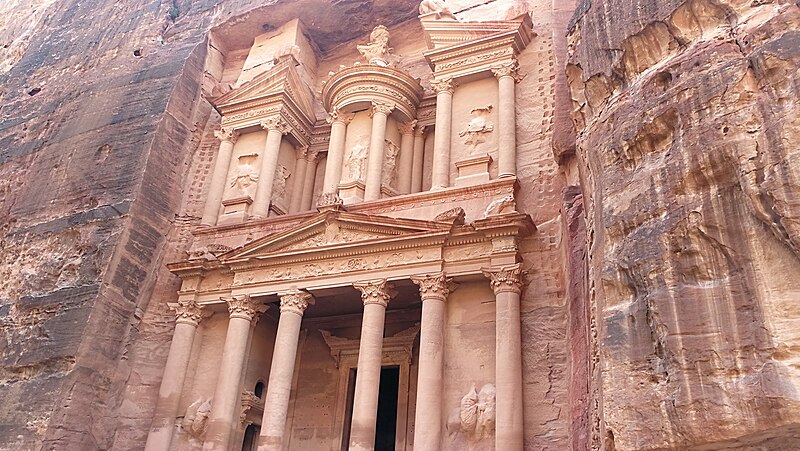
Petra, located in modern-day Jordan, is not specifically mentioned in the Bible by name. However, it is believed by some to have been the location of Sela, the capital of Edom, which is mentioned in the Old Testament. In the book of Isaiah, Sela is described as a fortified city in the rocky terrain of Edom. The city of Petra, with its unique blend of natural beauty and impressive rock-cut architecture, provides a fascinating glimpse into the history and culture of the ancient world. More Information…
—— Thursday, June 3, 2027 ——
Tabernacle in the Wilderness
We will be touring a replica of the Tabernacle in the Wilderness. The Tabernacle in the Wilderness was a portable sanctuary described in the Bible (Exodus 25-40). It was built by the Israelites during their 40-year journey through the wilderness, following their escape from slavery in Egypt. The Tabernacle was a tent-like structure that was designed to house the Ark of the Covenant, which contained the stone tablets of the Ten Commandments given to Moses by God. The Tabernacle was a complex structure that was constructed of various materials, including acacia wood, gold, silver, bronze, and colored linen. It consisted of an outer court, an inner sanctuary known as the Holy of Holies, and a larger central area known as the Holy Place. The Tabernacle was also equipped with various furnishings, such as the altar of incense, the menorah (a seven-branched candelabrum), and the table of showbread. In the Bible, the Tabernacle was the dwelling place of God and the center of worship for the Israelites. It was also seen as a symbol of God’s presence with his people, and as a physical representation of his divine presence on earth. After the Israelites entered the Promised Land, the Tabernacle was eventually replaced by the Temple of Solomon in Jerusalem. More Information…

Masada
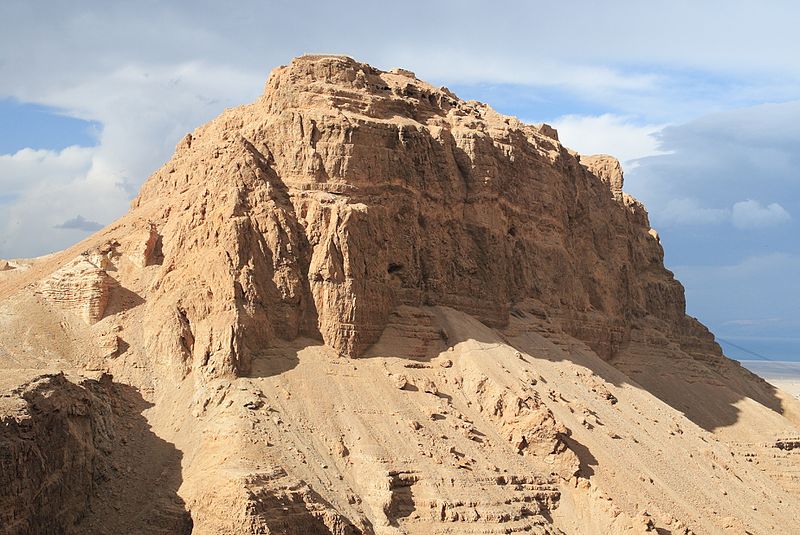
Masada is an ancient fortress located on a plateau overlooking the Dead Sea in Israel. It is best known as the site of a dramatic siege that took place during the First Jewish-Roman War in the 1st century CE. According to historical accounts, a group of Jewish rebels, known as the Zealots, took refuge at Masada and withstood a several-month-long siege by the Roman army. When it became clear that the Romans would eventually overcome their defenses, the rebels chose to commit mass suicide rather than surrender. Today, Masada is a popular tourist destination and is widely considered a symbol of Jewish resistance and determination. The site includes the remains of the ancient fortress, including its walls, palaces, and bathhouses, as well as the remains of the Roman siege camp. Visitors can also take a cable car to the top of the plateau for panoramic views of the surrounding desert and the Dead Sea. More Information…
Sodom and Gomorrah
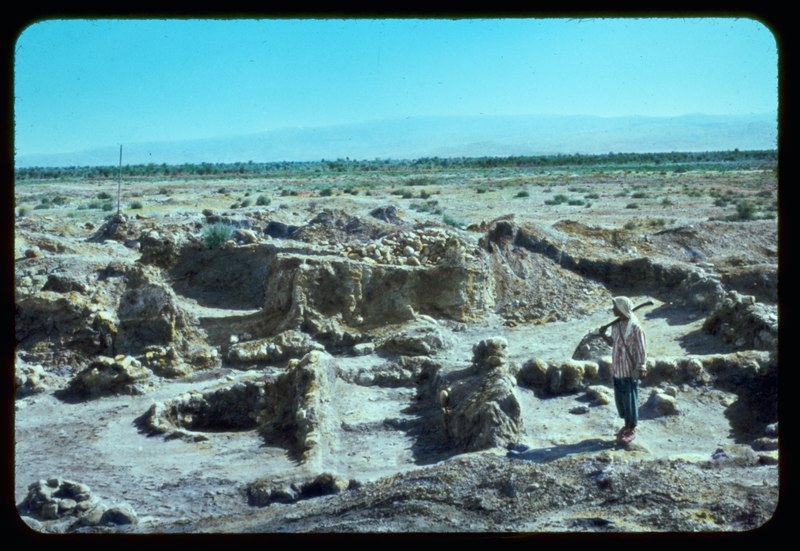
The ruins of Sodom and Gomorrah are two archaeological sites located in the Jordan Rift Valley near the Dead Sea. These sites are believed to be the remains of the biblical cities of Sodom and Gomorrah, which were described in the Book of Genesis as two cities that were destroyed by God due to their wickedness. Excavations have revealed the remains of ancient walls, towers, and public buildings, as well as pottery and other artifacts that date back to the early Bronze Age. There have also been discoveries of brimstone embedded in rock and calcium sulfate which is created when you mix sulfer and limestone. Limestone was the main building product during that time. More Information…
Dead Sea
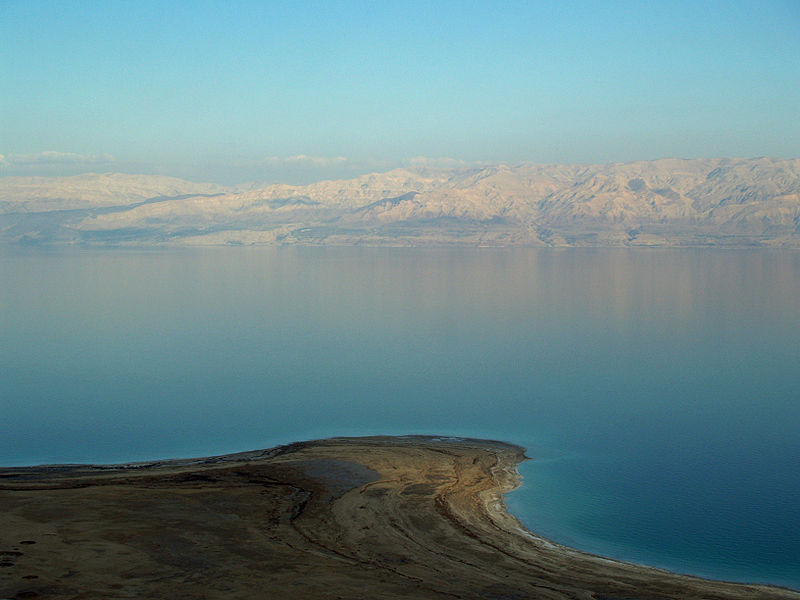
The Dead Sea is a salt lake located between Jordan to the east and Israel and Palestine to the west. According to the Bible, the Dead Sea is mentioned in several passages as a significant geographical feature of the ancient Near East. In Genesis 19:24-29, the Dead Sea is the location of the cities of Sodom and Gomorrah, which were destroyed by God due to the wickedness of their inhabitants. The Dead Sea is also mentioned in 1 Samuel 24:1-3 as the place where King David sought refuge from King Saul. The prophet Elisha is said to have performed several miracles near the Dead Sea, as described in 2 Kings 2:19-22. The Dead Sea is seen as a symbol of death and judgment in the Bible. This association is reflected in Ezekiel 47:11, where the Dead Sea is described as a place of “dead waters”. More Information…
—— Friday, June 4, 2027 ——
Ein Gedi
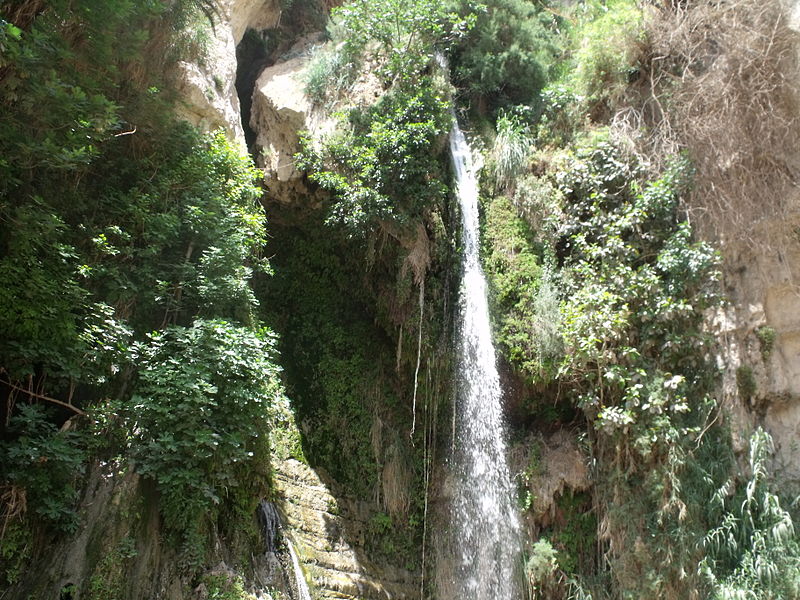
Ein Gedi is a location mentioned several times in the Bible and is known for its significance in Jewish and Christian history. The name “Ein Gedi” means “spring of the kid” in Hebrew and refers to the abundant water sources that flow through the area. In the Bible, Ein Gedi is mentioned as a place where King David hid from King Saul and found refuge. According to the Biblical account, David fled to the wilderness of Ein Gedi, where he lived in caves and was protected by the rugged terrain and difficult to access water sources. During this time, David wrote several of the Psalms, which are widely regarded as some of the most beautiful and moving pieces of Hebrew literature. More Information…
Qasr al-Yahud — Baptismal Site
Qasr al-Yahud is a baptismal site on the Jordan River near Jericho, north of the Dead Sea. Christian tradition identifies this area with the baptism of Jesus by John the Baptist. Matthew 3:13–17 records that Jesus came from Galilee to the Jordan to be baptized, after which the Spirit of God descended like a dove and the Father declared His pleasure in His Son. The region also recalls the Israelites’ crossing of the Jordan into the Promised Land under Joshua (Joshua 3–4). Today, the river and its banks provide a setting to consider these events and the beginning of Christ’s public ministry. The exact ancient point of Jesus’ baptism is not established, but this has long been a place of Christian remembrance. More Information…

Jericho
Jericho is a city in the West Bank that is mentioned several times in the Bible, both in the Old and New Testaments. In the Old Testament, Jericho is best known as the first city conquered by the Israelites after their exodus from Egypt. According to the book of Joshua, God commanded the Israelites to march around the city for seven days, blowing trumpets, and then, on the seventh day, the walls of the city crumbled, allowing the Israelites to enter and conquer it (Joshua 6:1-20). Jericho is also mentioned as one of the cities allotted to the tribe of Benjamin (Joshua 18:21) and as a fortified city during the reigns of various judges (Judges 3:13, 20:20). In the New Testament, Jericho is mentioned as the location where Jesus healed the blind man Bartimaeus (Mark 10:46-52) and as a stopping place for Jesus and his disciples on their way to Jerusalem (Luke 19:1-10). More Information…

Wadi Qelt
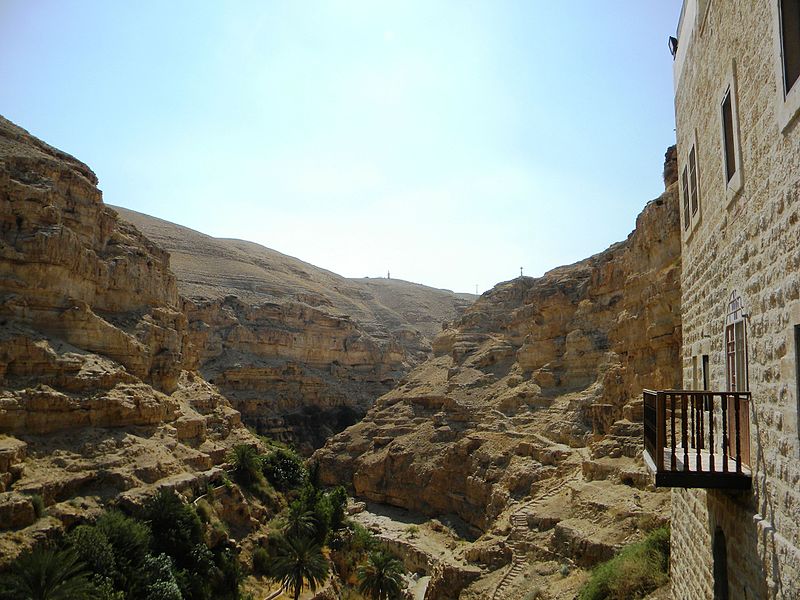
Wadi Qilt is a valley located in the West Bank, near the Dead Sea. It is a deep and narrow gorge with towering cliffs on either side and a stream that runs through its center. The valley is known for its scenic beauty, including its dramatic rock formations, lush vegetation, and diverse wildlife. It is believed by some to be the location where David composed the 23rd Psalm. The area is also rich in history and has been inhabited for thousands of years, with evidence of human settlement dating back to the Roman period. Wadi Qilt is a popular destination for exploring the historical and religious sites in the region. The valley is home to several monasteries and hermitages, including St. George’s Monastery, which is one of the oldest continuously inhabited monasteries in the world. Additionally, the valley is a key part of the historic caravan route that connected Jerusalem and Jericho, and is considered an important part of the region’s cultural heritage. More Information…
Mount of Olives
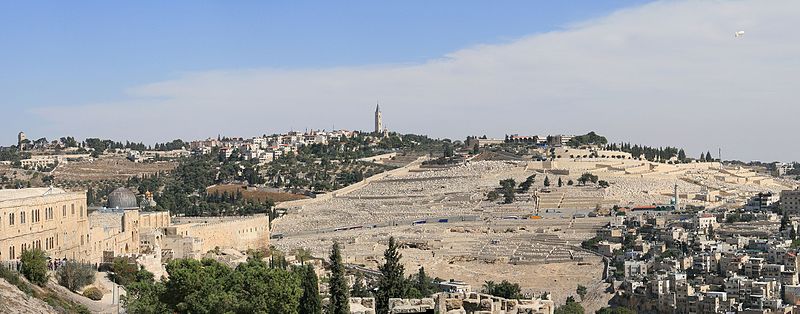
The Mount of Olives holds special significance as a site of several events in the life of Jesus Christ. According to the New Testament, Jesus frequently visited the Garden of Gethsemane located at the foot of the mountain, and it was here where He prayed the night before his death on the cross. Additionally, the Bible says that Jesus ascended to heaven from the Mount of Olives after His resurrection. The Second Coming of Jesus will take place on the Mount of Olives. More Information…
—— Saturday, June 5, 2027 ——
Tel Lachish
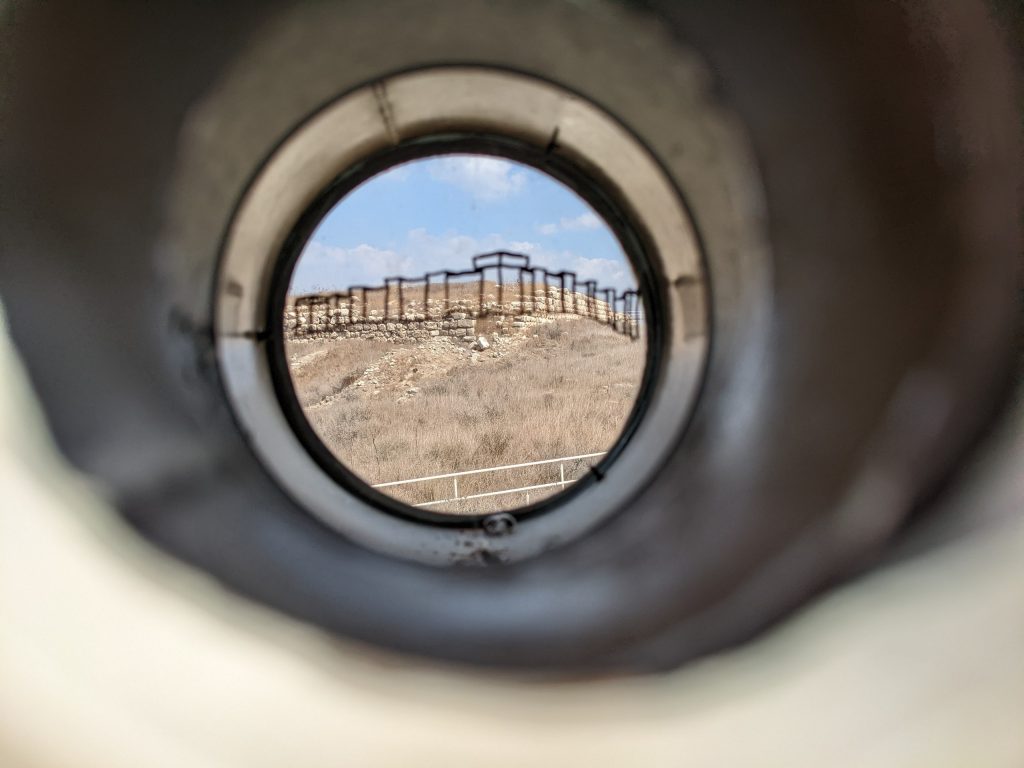
Tel Lachish was an ancient city in Israel, located in the Shephelah region between Jerusalem and the coastal plain. It was a major city-state in the Canaanite period, and later became an important center of the Kingdom of Judah during the Iron Age. The city was destroyed and rebuilt several times over the centuries, with the most famous destruction occurring during the Babylonian conquest in the 6th century BCE. Excavations at Tel Lachish have uncovered a large and well-preserved city gate, public buildings, and residential areas, providing important insights into the political, social, and economic organization of the ancient city. Tel Lachish is now a popular tourist site and an important archaeological site, attracting researchers from around the world. More Information…
Valley of Elah
The Valley of Elah is a region in the Judean Hills, located in modern-day Israel, near the city of Beit Shemesh. It is famously known as the site of the battle between David and Goliath, as described in the biblical account of the First Book of Samuel. The valley is narrow and surrounded by steep hills, which made it a suitable place for hand-to-hand combat in ancient times. Today, the valley is an important historical and religious site, attracting tourists and pilgrims from all over the world. More Information…
Tel Gezer
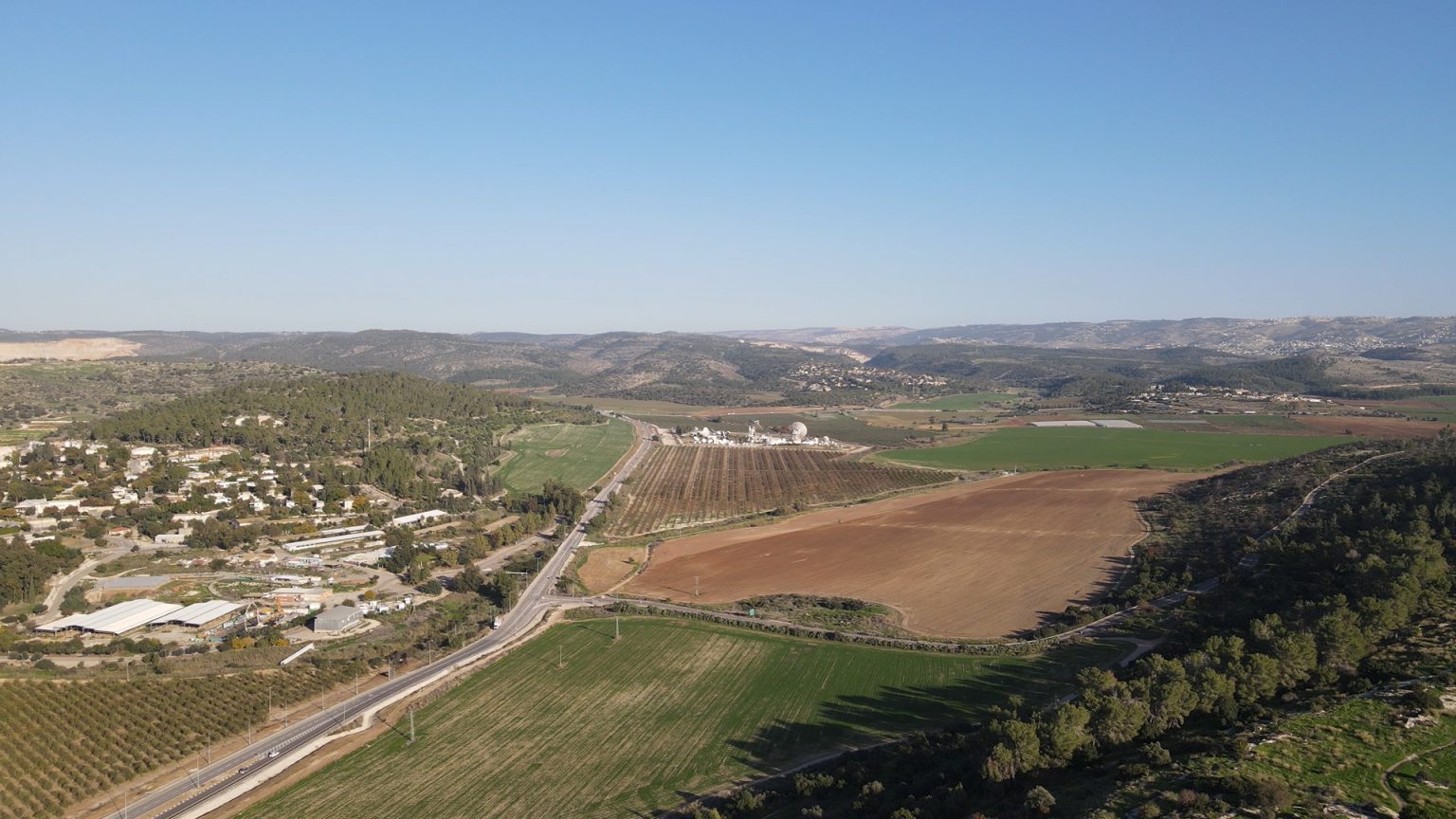
Tel Gezer is an archaeological mound in the foothills west of Jerusalem, overlooking routes that connected the coastal plain with the hill country. Its location made it an important city for trade and military control in the ancient world. Gezer appears in the account of Joshua’s conquests and was allotted to the tribe of Ephraim, although the Canaanites continued to live there (Joshua 10:33; 16:10). In 1 Kings 9:15–17, Gezer is associated with Solomon’s building projects after Pharaoh gave the city to his daughter, Solomon’s wife. Visitors can see ancient fortifications, a city gate, standing stones, and an underground water system. These remains help illustrate the importance of a fortified city and its water supply during the biblical period. More Information…

9/11 Living Memorial, Jerusalem
The 9/11 Living Memorial is located on a wooded hillside overlooking Jerusalem’s Emek HaArazim, or Valley of the Cedars. Established in 2009, it honors those who lost their lives in the September 11, 2001, terrorist attacks in the United States. At the center of the plaza stands a bronze sculpture designed by Israeli artist Eliezer Weishoff, showing an American flag rising into the shape of a memorial flame. A piece of metal from one of the fallen Twin Towers is displayed at its base. The surrounding plaques record the names of the victims, including five Israelis. This quiet stop offers an opportunity for remembrance and reflection amid the hills outside Jerusalem. More Information…

Kotel — Western Wall
The Kotel, also known as the Western Wall, is a sacred site in Jerusalem for Jews and is one of the last remaining parts of the Second Temple, which was destroyed by the Romans in 70 CE. In Jewish tradition, the Western Wall is considered to be the closest point to the Temple’s Holy of Holies. The Western Wall is mentioned several times in the Bible, including in the books of Ezra and Nehemiah, where it is described as part of the retaining wall for the Temple Mount. More Information…

Western Wall Tunnels
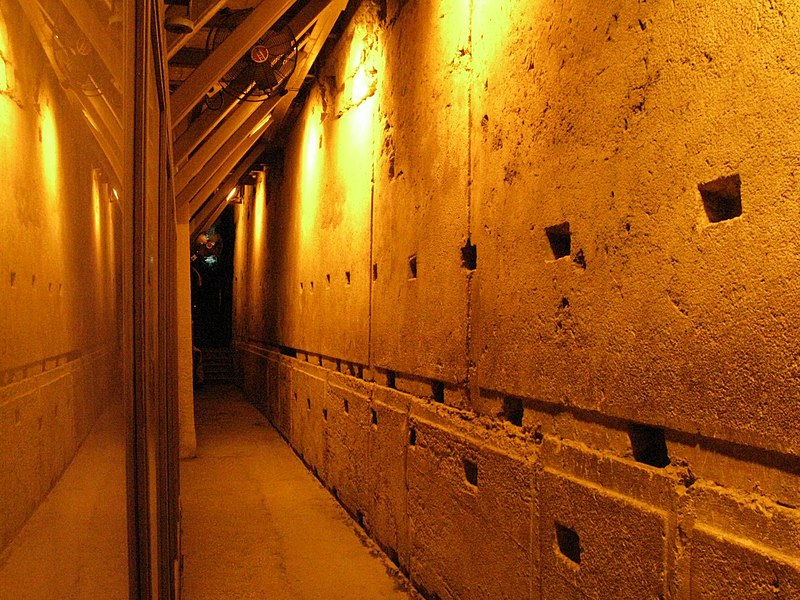
The Western Wall Tunnel tour is a unique opportunity to explore the history and significance of the Western Wall. The tour takes visitors through the underground tunnels that run alongside the Western Wall, giving them a chance to see the wall up close. The Western Wall was originally part of the retaining wall for the Temple Mount in Jerusalem, which housed the First and Second Temples. The Western Wall, also known as the Wailing Wall, is considered to be one of the most sacred sites in Judaism. During the tour, visitors can see the remains of the Second Temple period, including the street level from the time of the Roman conquest of Jerusalem, and the wall’s ancient stone courses. They can also see the ancient mikveh (ritual bath) and the Herodian street, which ran along the Western Wall and served as a main thoroughfare in ancient Jerusalem. More Information…
—— Sunday, June 6, 2027 ——
Tel Shiloh
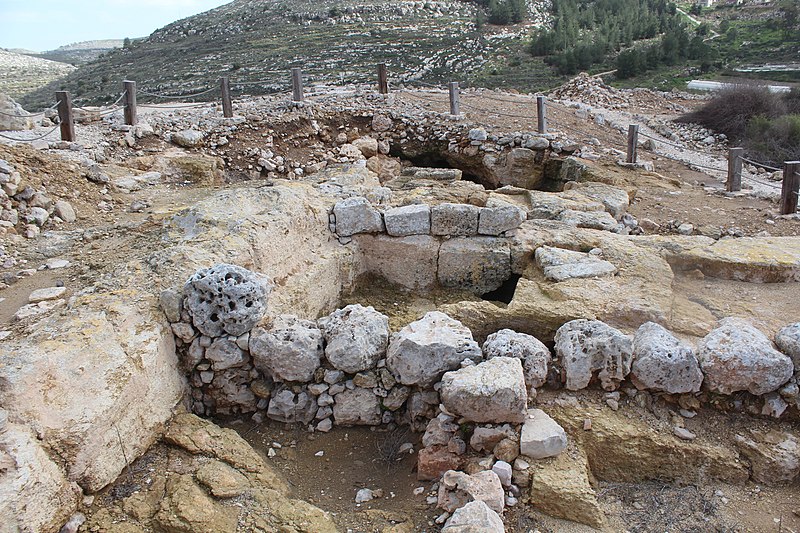
Tel Shiloh is an archaeological site in the West Bank region of Palestine, which is the ancient city of Shiloh mentioned in the Old Testament. In the book of Joshua, Shiloh was one of the first locations in the Promised Land where the Israelites settled after crossing the Jordan River. The book of Judges also mentions Shiloh as the location of the Tabernacle, which was the portable temple where the Ark of the Covenant was kept and where the Israelites worshiped God. More Information…
Mount of Olives
The Mount of Olives holds special significance as a site of several events in the life of Jesus Christ. According to the New Testament, Jesus frequently visited the Garden of Gethsemane located at the foot of the mountain, and it was here where He prayed the night before his death on the cross. Additionally, the Bible says that Jesus ascended to heaven from the Mount of Olives after His resurrection. The Second Coming of Jesus will take place on the Mount of Olives. More Information…
Dominus Flevit
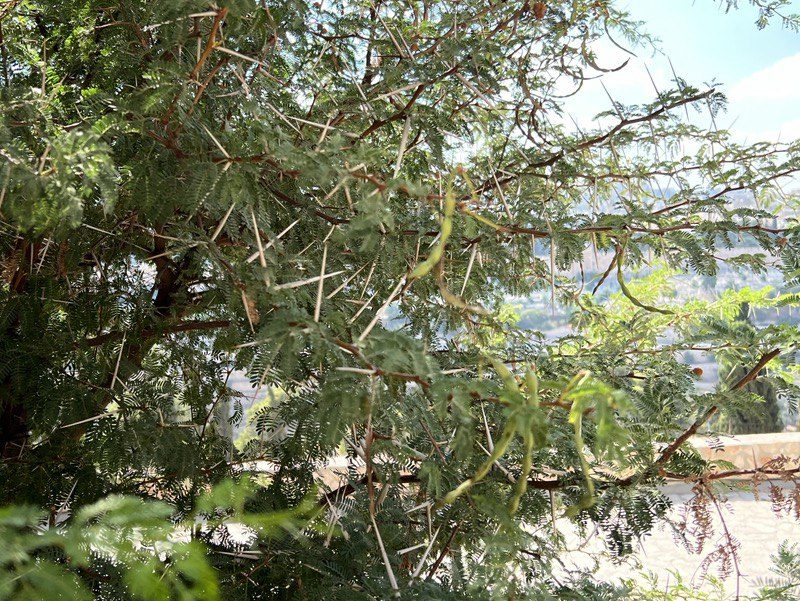
Dominus Flevit (Latin for “The Lord Wept”) is a Catholic church located on the Mount of Olives in Jerusalem. We will be passing by this church where Ziziphus spina-christi trees are present. This is most likely the type of tree where the crown of thorns were weaved from. More Information…
Gethsemane — Private Garden
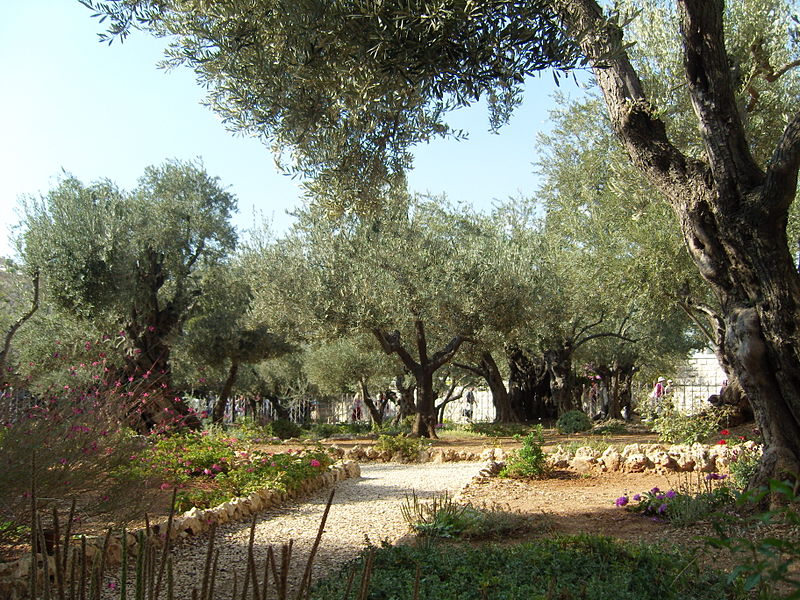
Gethsemane is a garden located on the Mount of Olives in Jerusalem, Israel. It covers an area of approximately 1,000 square meters and is surrounded by ancient olive trees. Jesus went to the Garden of Gethsemane the night before His crucifiction to pray. More Information…
Caiaphas' House
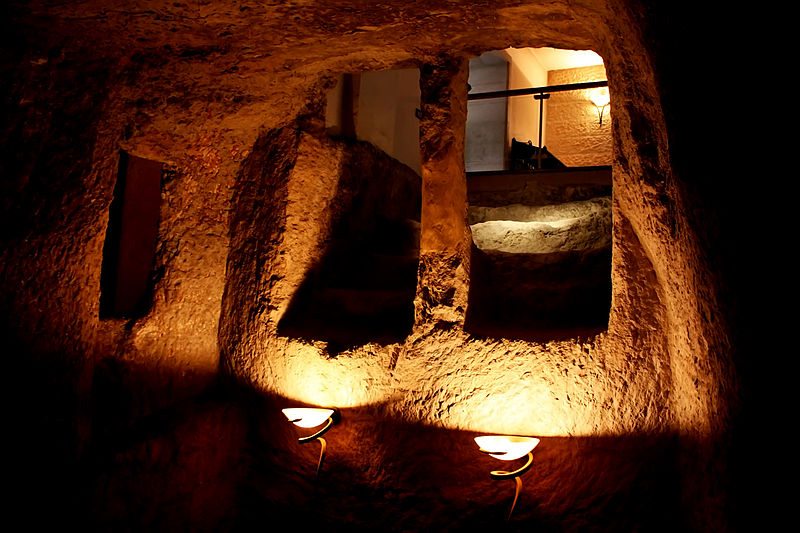
Caiaphas’ House is an archaeological site located in the Jewish Quarter of the Old City of Jerusalem. It was the home of Joseph Caiaphas, the high priest who presided over the trial of Jesus Christ according to the New Testament. The house was originally constructed in the 1st century AD and underwent modifications and expansions over time. In 1990, excavations uncovered a large poertion of the house which is now open to the public as a museum. Visitors can observe the well-preserved remains of the house, including a courtyard, ritual bath (mikveh), and an underground prison where Jesus was held prior to his trial. The site offers insight into the daily life and religious practices of the Jewish community in ancient Jerusalem and provides historical context surrounding the life and crucifiction of Jesus Christ. More Information…
Horatio Spafford's Grave
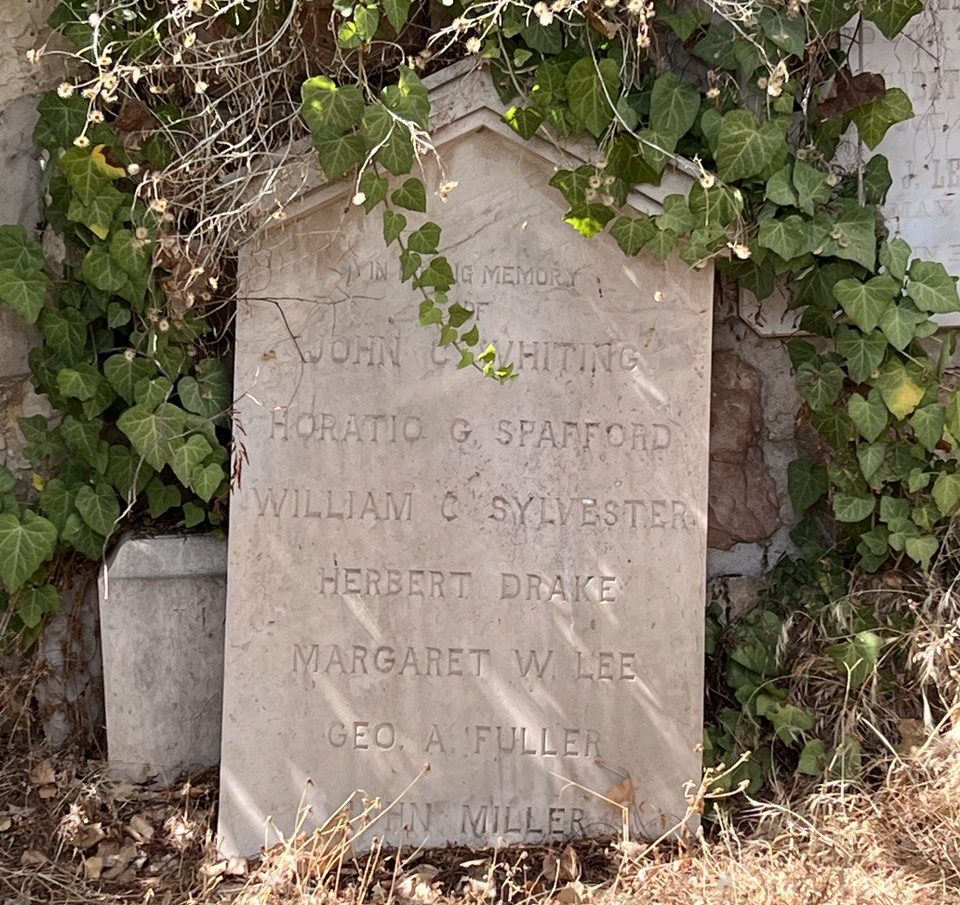
Horatio Spafford was a 19th-century American lawyer, businessman, and Christian theologian. He is most famous for writing the hymn “It Is Well with My Soul” following the loss of his family and fortune. In 1873, Spafford’s family, including his wife and four daughters, were traveling from the United States to Europe when their ship collided with another vessel and sank, killing all but Spafford’s wife. A few months later, Spafford received a telegram from his wife that read, “Saved alone.” He decided to travel to meet her in Europe, but on the voyage, he was inspired to write the words to the hymn “It Is Well with My Soul.” More Information…
Cardo, Jerusalem
The Cardo is an ancient north-south street in the Jewish Quarter of Jerusalem’s Old City. Its name describes the main street found in many Roman cities, and the exposed section here preserves part of Jerusalem’s development during the Byzantine period. Rows of stone columns once lined the broad roadway, with covered walkways and shops serving the people who lived and traded in the city. The famous mosaic map at Madaba also depicts Jerusalem’s colonnaded main street. Today, visitors can walk beside the surviving columns and see how the ancient street lies below the level of the modern city. The Cardo provides a view of everyday life in Jerusalem during the centuries following the New Testament period. More Information…

—— Monday, June 7, 2027 ——
City of David
The City of David is an archaeological site on the narrow ridge immediately south of Jerusalem’s Temple Mount. It preserves the oldest core of the city and is associated with the stronghold David captured from the Jebusites before establishing his capital there (2 Samuel 5:6–9). The nearby Gihon Spring supplied water to ancient Jerusalem and played an important role in its growth and defense. Excavations have revealed fortifications, homes, and water systems from different periods of the city’s history. Hezekiah’s Tunnel and the Pool of Siloam are connected with this same landscape. Visiting the City of David helps place the accounts of Jerusalem’s kings, its daily life, and its struggles for survival within the setting of the biblical city. More Information…

Hezekiah's Tunnel
Hezekiah’s Tunnel, also known as the Siloam Tunnel, is an extraordinary engineering achievement from the 8th century BCE, built under the reign of King Hezekiah of Judah to secure Jerusalem’s water supply from the Gihon Spring to the Pool of Siloam (2 Kings 20:20; 2 Chronicles 32:30). Measuring about 533 meters (1,750 feet) long, the tunnel was carved through solid limestone by two teams working from opposite ends, an impressive feat given the lack of advanced surveying tools. Remarkably, the workers met in the middle with only a slight deviation, an accomplishment likely achieved using sound-based coordination. This project was part of Hezekiah’s broader efforts to fortify Jerusalem against the impending Assyrian siege led by King Sennacherib (2 Chronicles 32:2-4).
More Information…
Pool of Siloam
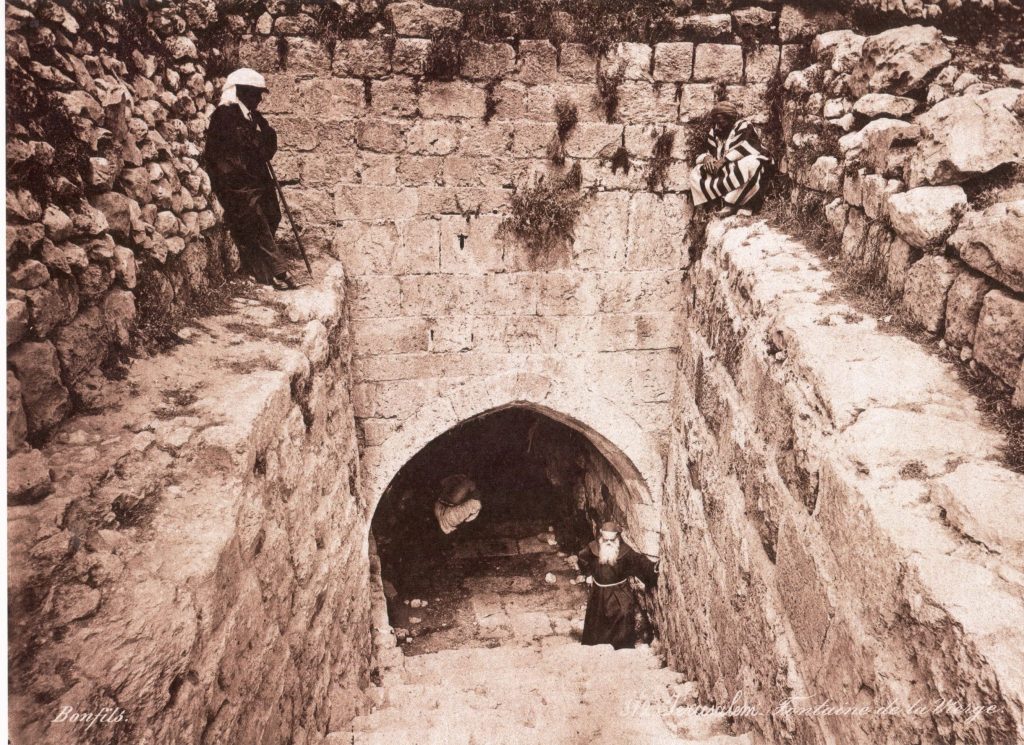
The Pool of Siloam is located at the lower end of the City of David, south of Jerusalem’s Temple Mount. It was part of the city’s water system and stood near the route used by pilgrims making their way toward the Temple. In John 9:1–7, Jesus placed clay on the eyes of a man who had been blind from birth and told him to wash in the Pool of Siloam. The man obeyed and returned seeing, leading to the testimony and questioning recorded in the rest of the chapter. Excavations have uncovered broad stone steps from the pool of the Second Temple period. These remains help bring the setting of this miracle and the daily life of ancient Jerusalem into view. More Information…

Temple Institute
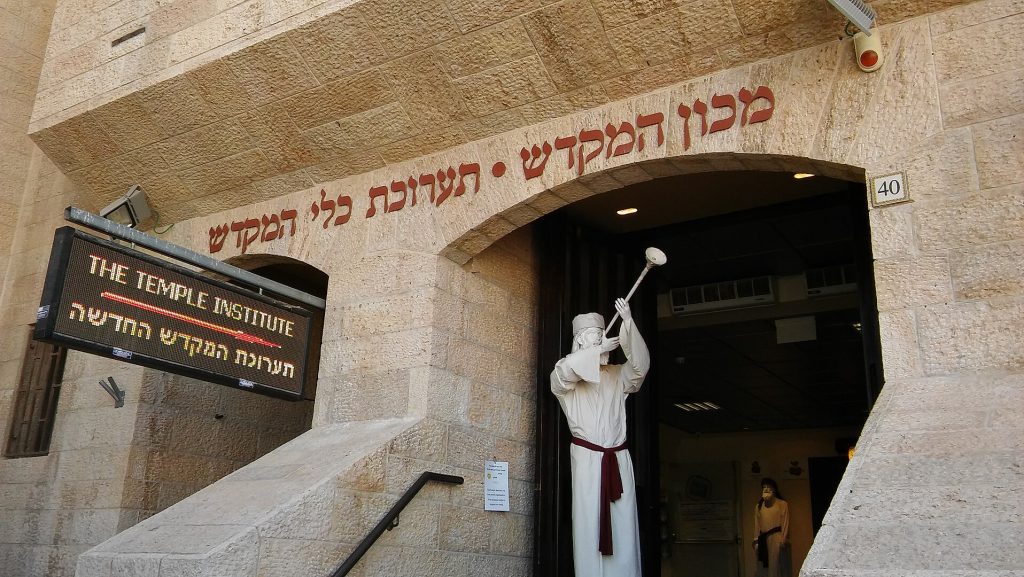
The Temple Institute, or Machon HaMikdash, is an organization based in Jerusalem, Israel, that is dedicated to the study and preparation for the building of a Third Jewish Temple on the Temple Mount in Jerusalem. The institute was founded in 1987 by Rabbi Yisrael Ariel, who is a former member of the Israeli paratrooper force that captured the Old City of Jerusalem in the Six Day War of 1967. It conducts educational and outreach programs and has a research team devoted to the complex laws and requirements for the future Temple. It has recreated over 70 “sacred” vessels for use in a future Third Temple, all according to the exact specifications laid out in the Hebrew Bible, including the High Priest’s breastplate featuring twelve precious stones, the half-ton golden menorah, and the Ark of the Covenant. Some of these items are on display in their museum in Jerusalem. More Information…
Cardo, Jerusalem
The Cardo is an ancient north-south street in the Jewish Quarter of Jerusalem’s Old City. Its name describes the main street found in many Roman cities, and the exposed section here preserves part of Jerusalem’s development during the Byzantine period. Rows of stone columns once lined the broad roadway, with covered walkways and shops serving the people who lived and traded in the city. The famous mosaic map at Madaba also depicts Jerusalem’s colonnaded main street. Today, visitors can walk beside the surviving columns and see how the ancient street lies below the level of the modern city. The Cardo provides a view of everyday life in Jerusalem during the centuries following the New Testament period. More Information…
Garden Tomb
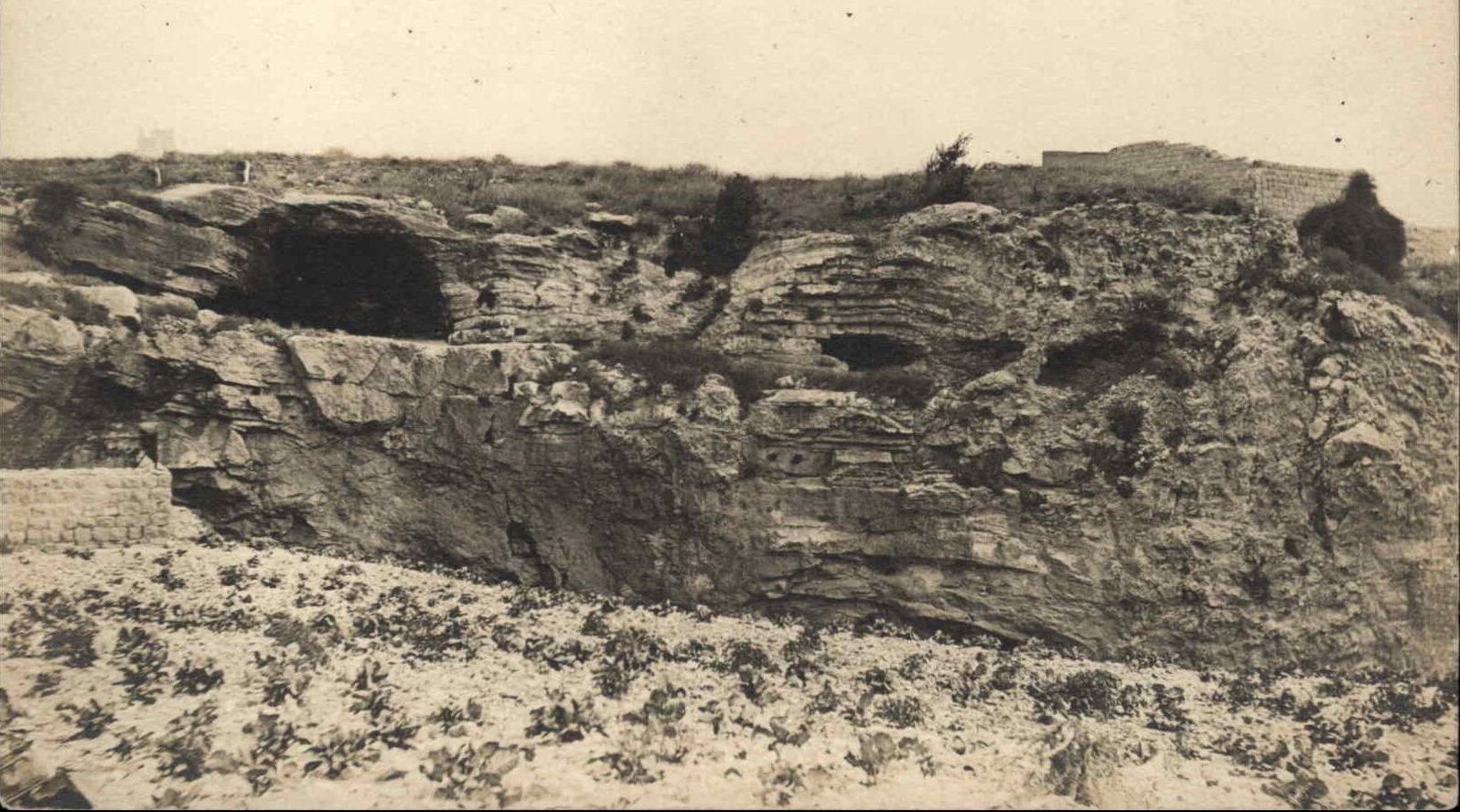
The Garden Tomb is located just outside Jerusalem’s Old City, near the Damascus Gate. Within its garden is a rock-cut tomb that many Christians regard as a possible setting for the burial and resurrection of Jesus. John 19:41–42 describes a garden near the place of His crucifixion and a new tomb where His body was laid. Although the identification of this particular tomb is debated, the setting helps visitors picture the Gospel accounts of Christ’s burial and the discovery of the empty tomb. Today, the garden is maintained as a place of Christian worship and reflection. Our visit provides an opportunity to consider the resurrection and the angel’s announcement that Jesus had risen, as recorded in Matthew 28:1–7. More Information…
Old City of Jerusalem
The Old City of Jerusalem is enclosed by historic stone walls and contains the Jewish, Christian, Muslim, and Armenian quarters. Its narrow streets, markets, and places of worship reflect the many peoples and periods that have shaped the city. Jerusalem holds a central place in the Bible, from David’s establishment of his capital to the ministry, crucifixion, and resurrection of Jesus Christ. The walls seen today largely date to the Ottoman period, while older remains lie beneath and among later buildings. Walking through the Old City provides a sense of how layers of history meet in one small area. Its streets connect many of the sites on our itinerary and help us understand Jerusalem as both a biblical setting and a living city. More Information…
Photo: איתי טיומקין / Wikimedia Commons / Attribution-Share Alike 4.0 International. Display resized.


Yad Vashem — Holocaust Museum
The Holocaust Museum in Jerusalem, also known as Yad Vashem, is a memorial and museum dedicated to the victims of the Holocaust. It was established in 1953 and is located on the slopes of Mount Herzl in Jerusalem, Israel. The museum serves as a solemn tribute to the six million Jews who were murdered during the Holocaust and as a reminder of the atrocities committed during that time. The museum’s exhibitions provide a comprehensive overview of the history of the Holocaust, from the rise of Nazi Germany to the end of World War II. Visitors can see photographs, personal testimonies, and original artifacts from the period, which provide a powerful and emotional insight into the lives of the victims. One of the highlights of the museum is the Hall of Names, which contains the names of over three million Jews who were murdered during the Holocaust. The Hall of Names is a place of quiet reflection and serves as a reminder of the enormity of the tragedy that occurred during the Holocaust. More Information…

—— Tuesday, June 8, 2027 ——
Temple Mount
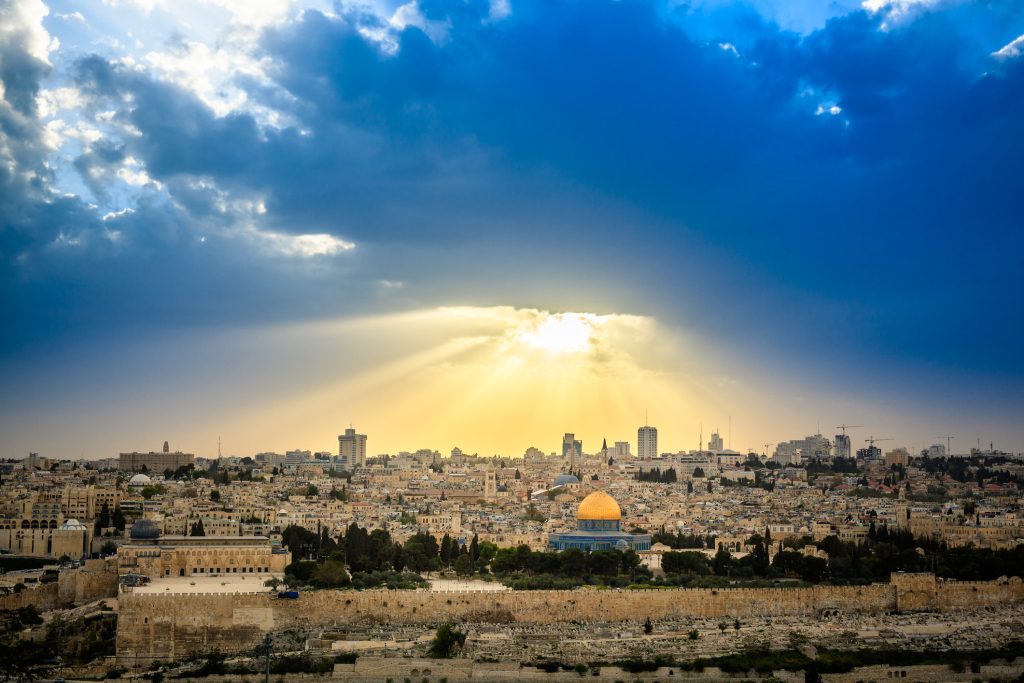
The Temple Mount is a highly significant site in Jerusalem, revered by Jews, Christians and Muslims. It is considered the holiest site in Judaism, as it was the location of the First Temple and Second Temple. Muslims consider it to be the place from where Prophet Muhammad ascended to heaven, and it is the third holiest site in Islam. The Temple Mount has been a site of religious, political and historical importance for thousands of years, and is a source of conflict between Israelis and Palestinians, with both sides claiming it as their own. For Christians, we know Christ will walk through the Eastern Gate and into Ezekiel’s temple after the Mt. of Olives splits in two. “Then said the LORD unto me; This gate shall be shut, it shall not be opened, and no man shall enter in by it; because the LORD, the God of Israel, hath entered in by it, therefore it shall be shut. It is for the prince; the prince, he shall sit in it to eat bread before the LORD; he shall enter by the way of the porch of that gate, and shall go out by the way of the same. (Ezekiel 44:2,3) More Information…
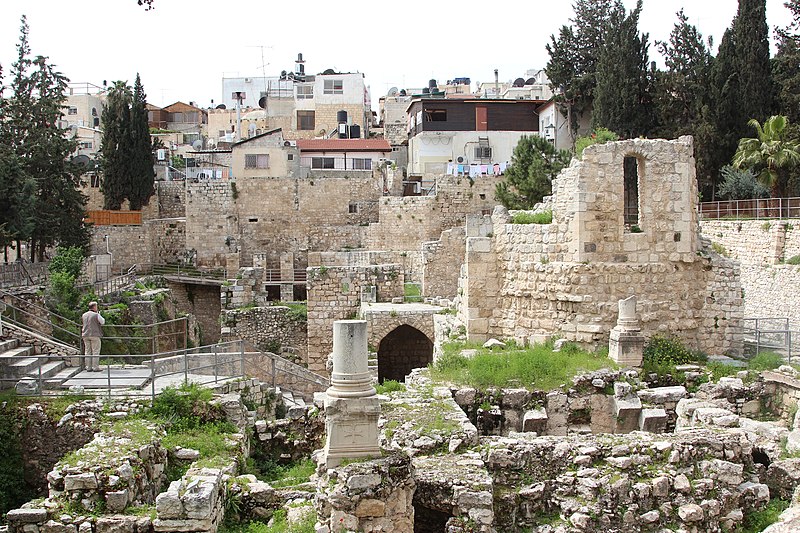
Pools of Bethesda
The Pools of Bethesda were historical pools located in the Sheep Gate area of Jerusalem, near the Sheep Gate, which was one of the city’s gates. According to the Gospel of John, it was said to have had five covered porches, where people with various illnesses and afflictions would lie, hoping to be cured. An angel would come from time to time and stir the waters of the pool, and whoever stepped into the pool first after that would be healed of their ailment. The site is mentioned in the New Testament an as it was the location of one of Jesus’ miracles, when he healed a man who had been an invalid for 38 years. More Information…
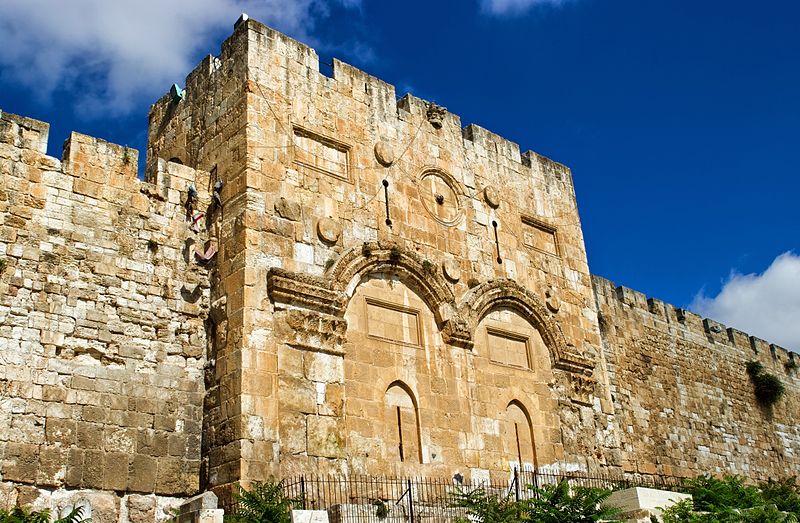
Eastern Gate
Although the original eastern gate is buried underneath of the current “golden gate”, the Eastern Gate is considered one of the oldest gates in the city and dates back to the time of the Second Temple, which was built by King Herod in the first century BC. Despite being sealed since the 16th century, the Eastern Gate remains an important site for both Jews and Muslims, who hold it as a symbol of hope for the rebuilding of the Third Temple. The Eastern Gate is the location where Jesus will enter through after His return to earth on the Mount of Olives at the end of times. More Information…
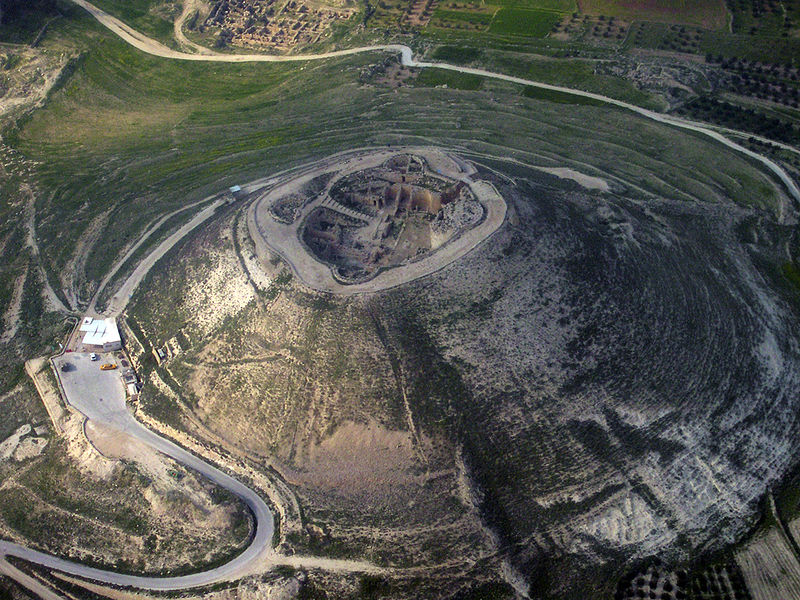
Herodium - Herod's Palace
King Herod’s palace at Herodium Park in Israel was a grand 1st-century BCE fortress-palace built by Herod the Great atop a cone-shaped hill. Surrounded by fortified walls, it included residential, administrative, and recreational spaces, richly decorated with marble columns, mosaics, and carved stonework, plus advanced water and heating systems. Beyond a royal residence, it also served as a strategic military stronghold and later played a role in major events, including the 2nd-century CE Bar Kokhba revolt.
More Information…
—— Wednesday, June 9, 2027 ——
Caesarea
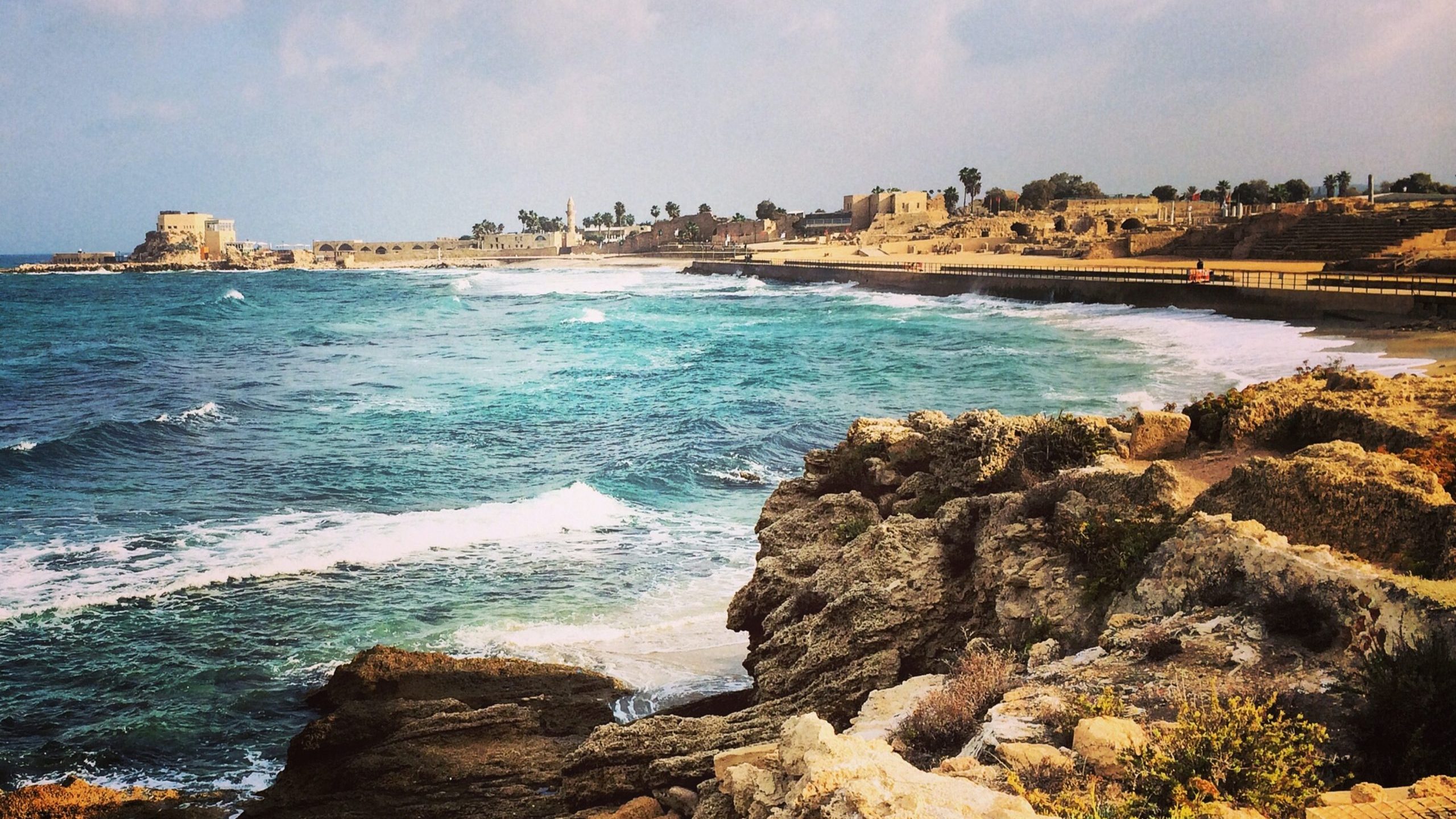
Caesarea is an ancient city located on the coast of Israel. It was originally built by King Herod the Great in the 1st century BCE and served as the capital of the Roman province of Judea. Caesarea is significant because it was the location of the headquarters of the Roman governor Pontius Pilate, who presided over the trial and crucifixion of Jesus of Nazareth. In the New Testament, it is mentioned several times in the Acts of the Apostles, as the place where the apostle Peter preached to the Roman centurion Cornelius and where Paul was imprisoned before his appeal to Caesar. Caesarea was also a center of early Christian activity, with a growing community of believers and several important events taking place there, including the founding of a church by Philip the Evangelist. More Information…
Mount Carmel
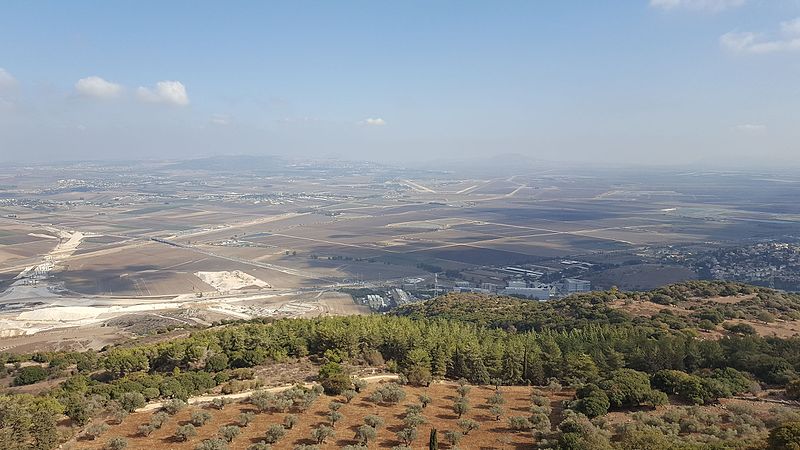
Mount Carmel is a coastal mountain range located in northern Israel, overlooking the Jezreel Valley. The Bible mentions Mount Carmel several times, and it is associated with several significant events and figures. In the Book of Kings, Elijah, a prophet of God, challenged the prophets of the god Baal to a contest on Mount Carmel to prove the power of their respective gods. Elijah prayed to God and was able to perform a miracle by calling down fire from heaven, defeating the prophets of Baal and solidifying the Israelites’ faith in God. This event is considered a pivotal moment in the history of Israel and is remembered as a testimony to the power of prayer and the presence of God. Mount Carmel is also mentioned in the Song of Solomon, where it is described as a beautiful and lush place, symbolizing fertility and life. More Information…
Nazareth Village
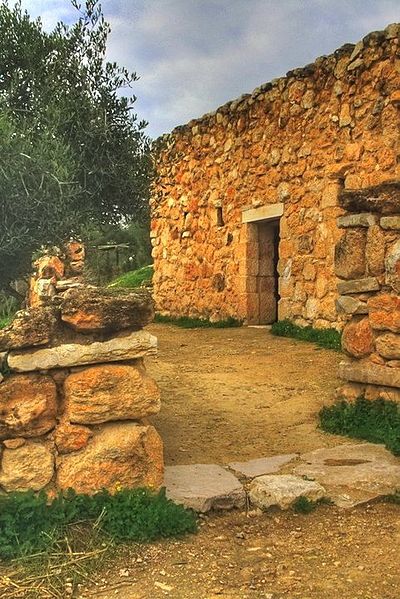
Nazareth Village is an open-air museum located in the city of Nazareth, Israel. It is a reconstruction of a first-century Galilean village, and is designed to provide visitors with an immersive experience of what life was like in Nazareth during the time of Jesus. The village covers approximately 10 acres and includes a collection of authentically reconstructed homes, workshops, and farm buildings. Visitors can explore the different structures, learn about ancient Nazarene customs, and gain a deeper understanding of the daily life and culture of the time. In addition to the historical structures, Nazareth Village also offers a range of interactive activities and events, such as workshops, demonstrations, and live performances. These experiences provide visitors with a hands-on understanding of the traditions and skills of the ancient Nazarenes, such as olive oil production, pottery making, and more. More Information…
Ancient Boat, Ginosar
The Ginosar Boat, also known as the Jesus Boat, is an ancient fishing boat that was discovered in 1986 in the Sea of Galilee in Israel. The boat dates back to the 1st century AD and is believed to be from the time of Jesus. The boat is approximately 27 feet long and 7.5 feet wide, and is made of locally sourced cedar and oak. More Information…

Sea of Galilee
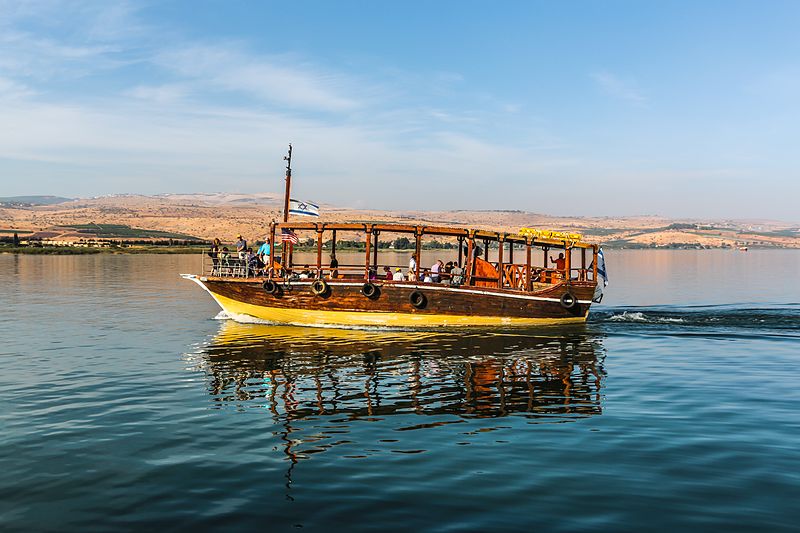
We will take a boat ride across the Sea of Galilee while hearing the testimony of a Messianic Jewish believer. The Sea of Galilee, also known as Lake Tiberias or the Kinneret, is a freshwater lake located in northern Israel and is surrounded by rolling hills and lush greenery. It has a rich religious history, and is associated with many of the events and teachings recorded in the New Testament, particularly in the life of Jesus. More Information…
—— Thursday, June 10, 2027 ——
Mount of Beatitudes
Mount of Beatitudes is a location located on the northwestern shore of the Sea of Galilee. In the New Testament, it is recorded in the Gospel of Matthew that Jesus delivered the Sermon on the Mount at this location. The Sermon on the Mount is one of Jesus’ most famous teachings and includes the Beatitudes, a series of blessings pronounced upon various groups of people. It is now the site of a Catholic basilica, the Basilica of the Beatitudes, built in the 1930s. More Information…
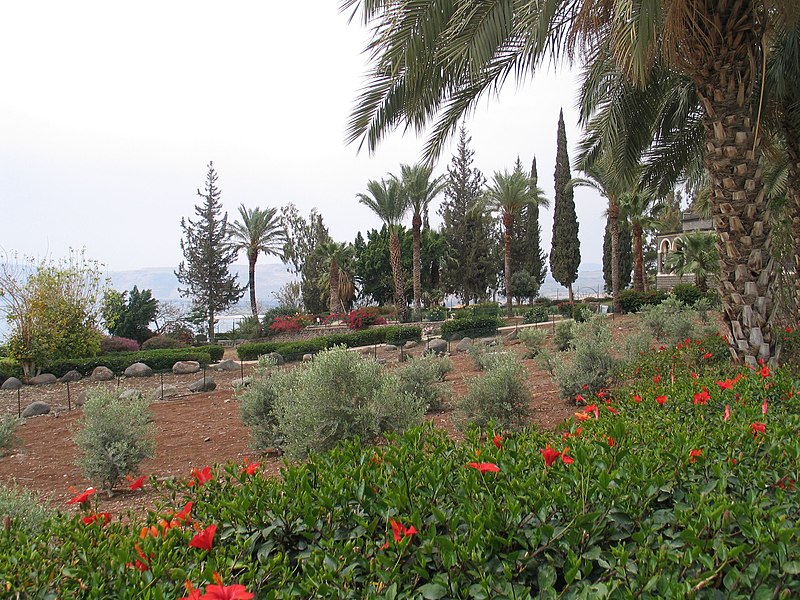
Magdala
Magdala, also known as Magadan or Taricheae, is a town mentioned in the New Testament as the birthplace of Mary Magdalene, one of Jesus’ disciples and a witness to his crucifiction and resurrection. Mary Magdalene is mentioned in several accounts in the Gospels and is described as being a supporter of Jesus’ ministry and a witness to his crucifiction and resurrection. She was one of the first to see the empty tomb and to report the news of the resurrection to the other disciples. More Information…
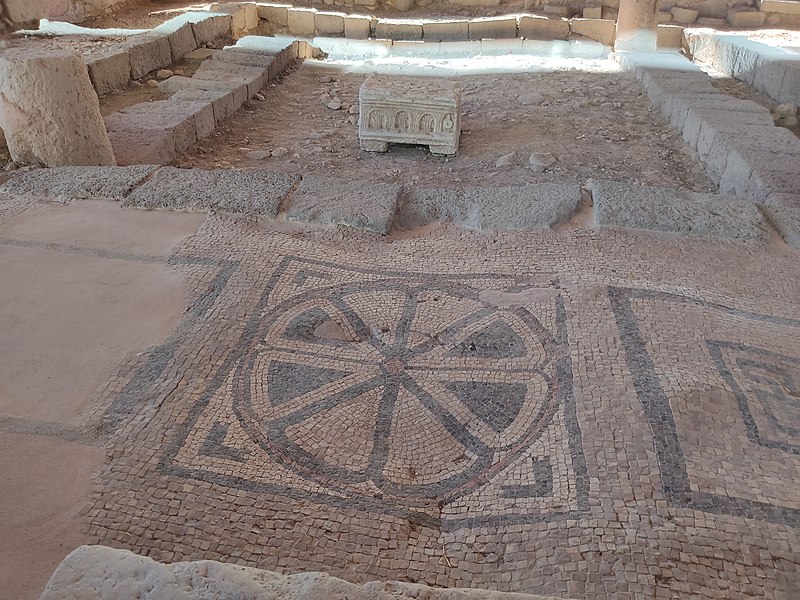
Capernaum
Capernaum was a city located along the Sea of Galilee in the Galilee region of ancient Israel. It was a significant center of trade and commerce, and was home to a thriving population. Capernaum is mentioned several times in the New Testament as being the location of Jesus’ ministry in Galilee. Jesus chose to make his home in Capernaum and performed many miracles there, including healing a paralyzed man and forgiving the sins of a man who was paralyzed. He also delivered several of his famous sermons in the synagogue of Capernaum, where he drew large crowds and gained a reputation as a powerful teacher. Capernaum was also the hometown of several of Jesus’ disciples, including Simon Peter, Andrew, James, and John. It was here that Jesus called these men to follow him and become “fishers of men.” Despite its importance, however, Jesus declared that the people of Capernaum would be condemned for their unbelief and lack of repentance, despite the many signs and wonders they had seen. More Information…

Kursi
The Region of the Gerasenes, also known as Kursi, is mentioned in the New Testament in the story of the demon-possessed man in Mark 5:1-20 and Luke 8:26-39. According to the account, Jesus and his disciples encountered a man who was demon-possessed and living among the tombs in the region. When Jesus arrived, he commanded the unclean spirit to come out of the man, and the unclean spirit obeyed, leaving the man in a state of peace. The people of the region were amazed at what they had witnessed and begged Jesus to leave. More Information…
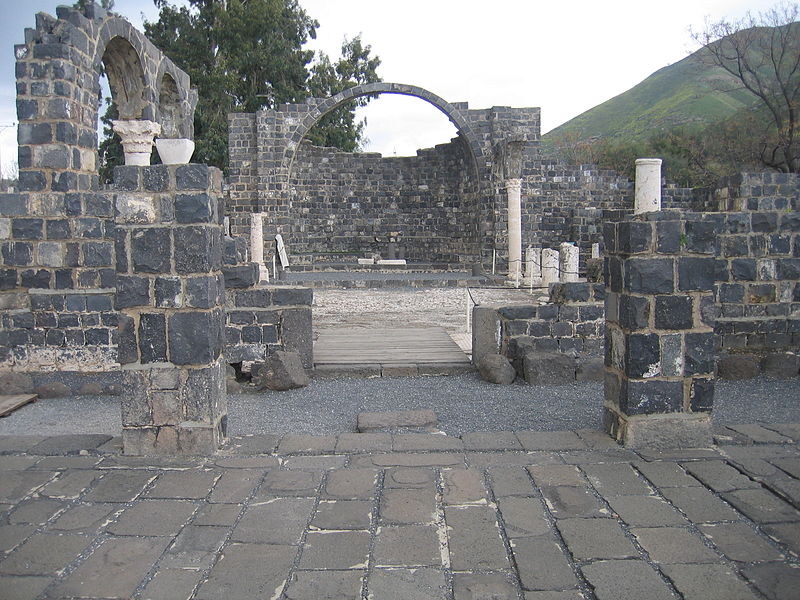
Korazim
Korazim, also known as Chorazin, is an ancient Jewish village in the hills north of the Sea of Galilee. It is mentioned alongside Bethsaida and Capernaum when Jesus rebuked the towns that had witnessed His mighty works but did not repent (Matthew 11:20–24; Luke 10:13–15). Much of the visible village dates to the centuries after the time of Christ. Its buildings were constructed from the dark basalt stone common in the region, and the ruins include a synagogue, houses, ritual baths, and olive presses. A carved stone seat discovered in the synagogue is known as the Seat of Moses. The site offers a view of Jewish village life while recalling Jesus’ warning about hearing His message without responding to it. More Information…

Cove of the Sower
The cove, located midway between two major centers of Jesus’ ministry, Capernaum and Tabgha, has gained notoriety for its exceptional acoustical properties. According to Mark 4, Jesus was teaching a large crowd on one occasion and decided to get in a boat in order to better address them. Some biblical scholars and experts believe that this cove, with its exceptional acoustics, could have served as an ideal location for Jesus to deliver his teachings to the large crowds that gathered to hear him. More Information…
—— Friday, June 11, 2027 ——
Tel Hazor
Tel Hazor was a major Canaanite city during the second millennium BCE and later became an Israelite settlement. The site covers approximately 200 acres, making it the largest city in Canaan during its time. Excavations have revealed a large palace, temples, fortifications, and cuneiform tablets, indicating its role as a political and economic center. The Bible describes Hazor as the head of all Canaanite kingdoms (Joshua 11:10) and records its conquest by Joshua. Later, it was fortified by King Solomon (1 Kings 9:15).
More Information…
Tel Dan
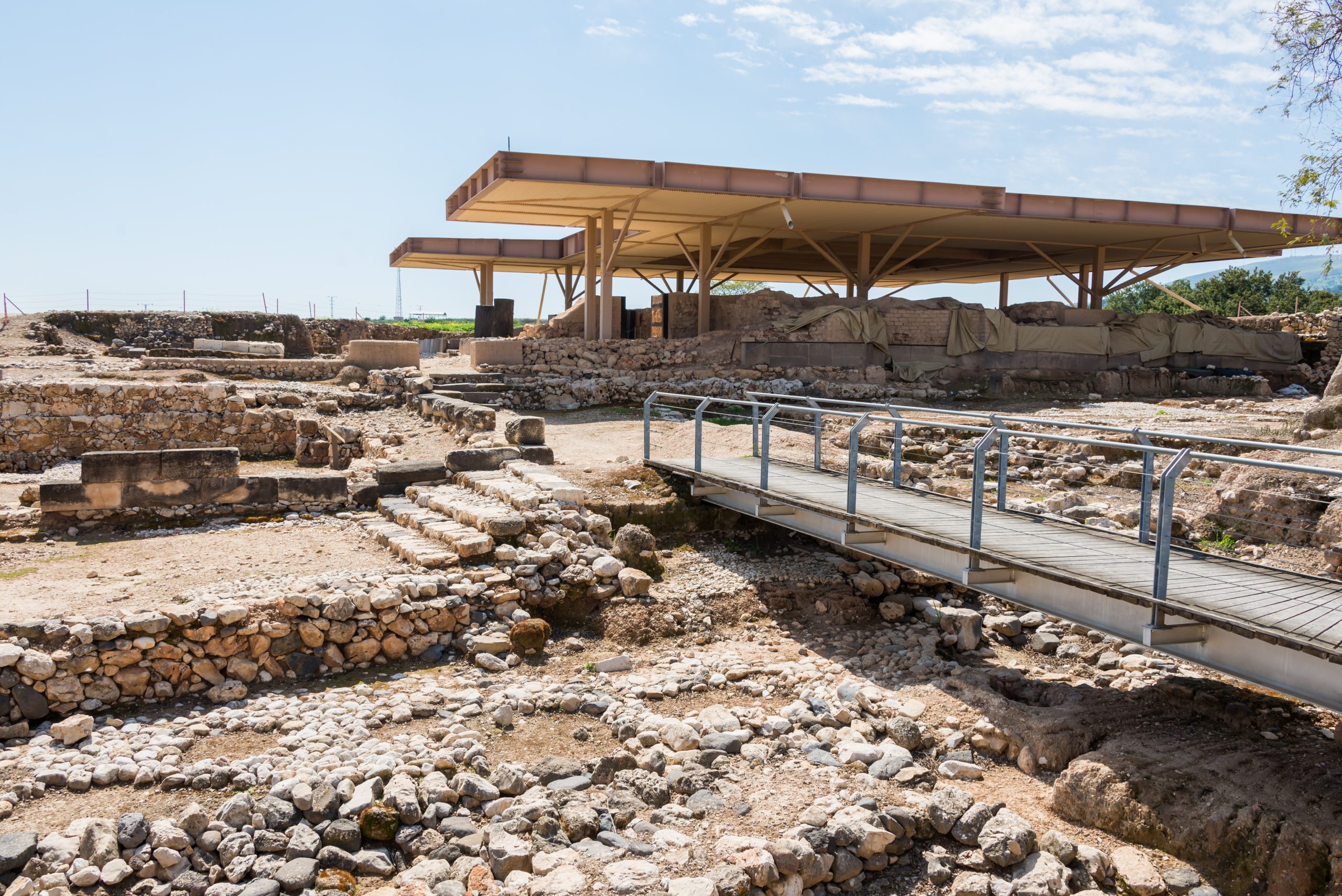
Tel Dan is an archaeological site in northern Israel that was once the location of the ancient city of Dan. Dan was one of the cities of the northern kingdom of Israel, and it was one of the first cities to be established in the land of Canaan. In the Bible, Dan is mentioned as a place of worship, and it was associated with the idolatrous worship of false gods. Despite its religious significance, Dan was also known for its strategic location on a major crossroads and as a center of commerce. In the time of the judges, the tribe of Dan set up an idol in Dan, and the worship of this idol was one of the factors that led to the division of the kingdom of Israel into two parts. Despite its idolatrous history, Dan was also a location where the Lord was worshipped. The prophet Amos prophesied that in the future, the Lord would restore the worship of Israel and that a remnant of the tribe of Dan would be among those who worship the Lord. Today, the archaeological site of Tel Dan serves as a reminder of the rich history and cultural heritage of the biblical land of Israel and its importance in the story of salvation. More Information…
Caesarea Philippi - Cave of Pan
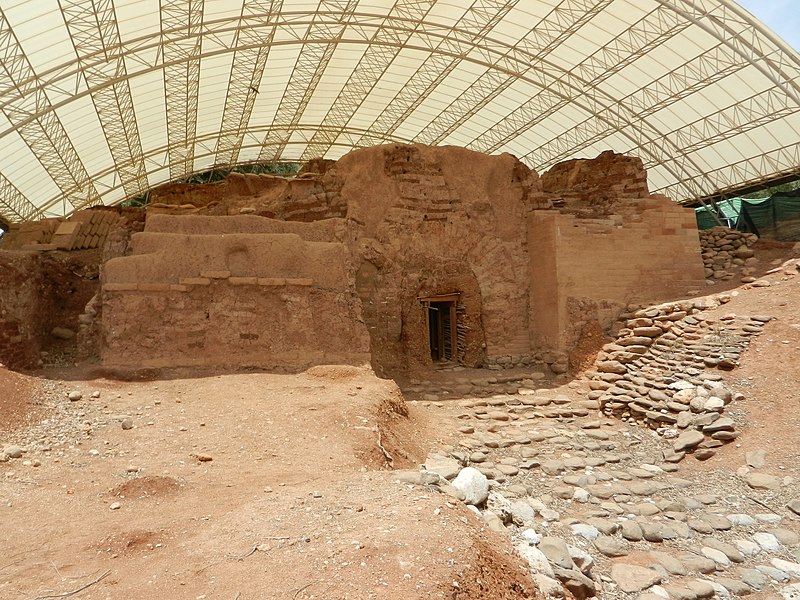
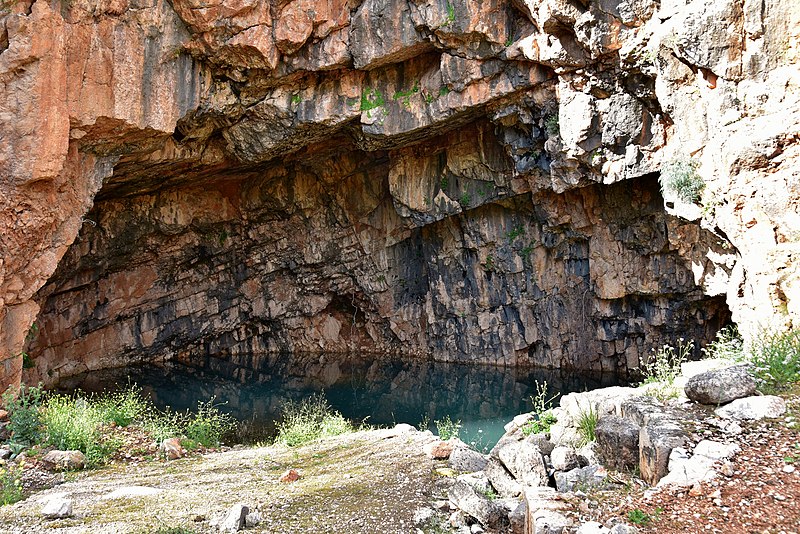
The Cave of Pan was a well-known site in the ancient world, located near the city of Caesarea Philippi in modern-day Israel. It was considered a sacred place, dedicated to the worship of the Greek god Pan, who was revered as the god of nature and the wild. The cave was situated at the base of a cliff, and it was believed to be the entrance to the underworld. It was also believed that Pan lived in the cave, and offerings and sacrifices were made there to appease the god and to receive his favor. This cave was known all around the region as the gates of Hades. As written in Matthew, Jesus took His disciples to Caesarea Philippi and asked them “Whom do men say that I the Son of man am?” (Matthew 16:13, KJV) and later proclaimed, “And I say also unto thee, That thou art Peter, and upon this rock I will build my church; and the gates of hell shall not prevail against it.” (Matthew 16:18, KJV). More Information…
Banias Falls
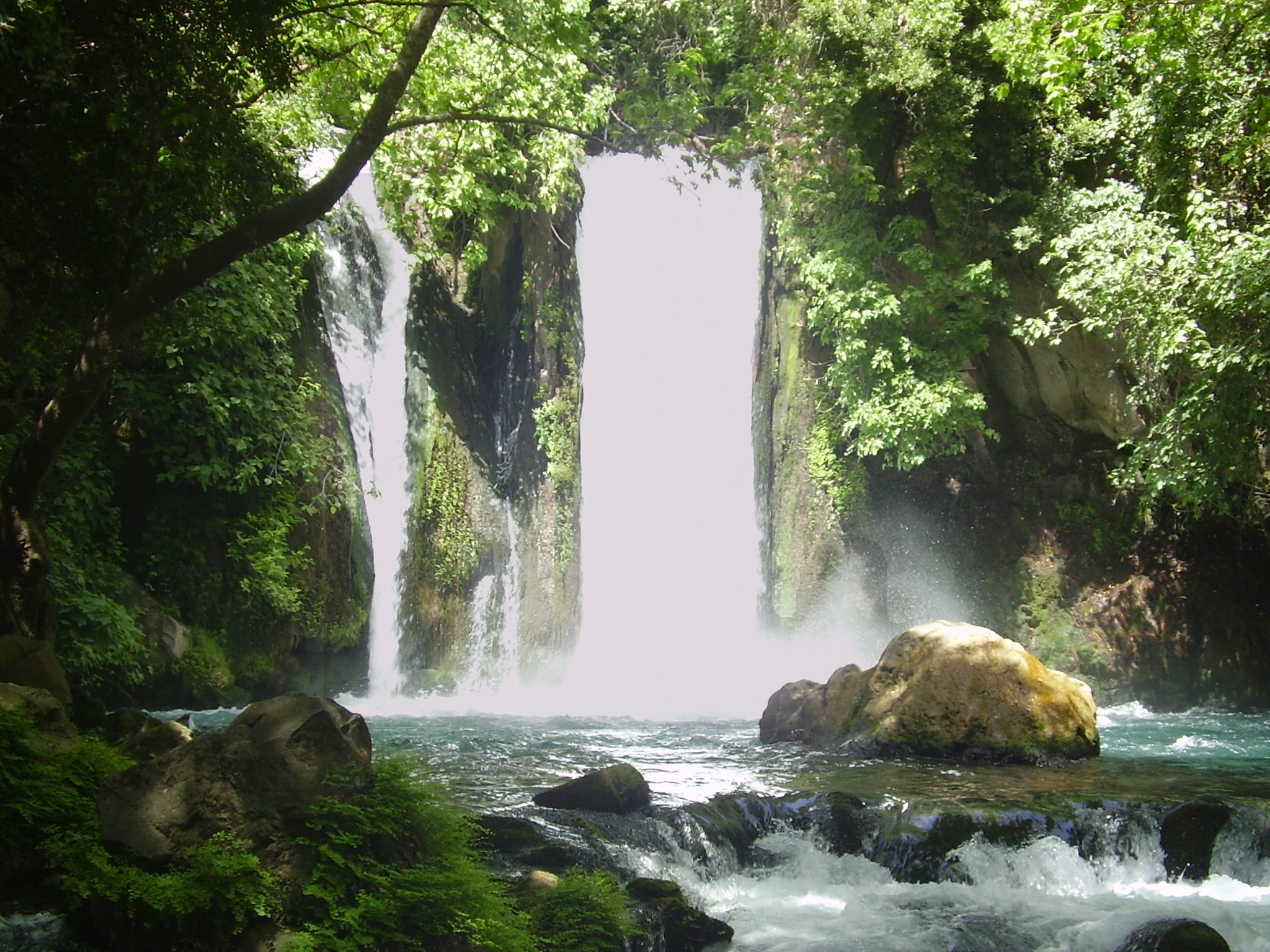
Banias Falls is a waterfall on the Hermon Stream in the northern Golan region, downstream from the springs near ancient Caesarea Philippi. Water flowing from the foothills of Mount Hermon passes through a wooded gorge before joining other streams that form the Jordan River. The surrounding nature reserve includes shaded paths, flowing water, and a suspended trail beside part of the stream. Nearby Caesarea Philippi is associated with Peter’s confession that Jesus is the Christ, the Son of the living God (Matthew 16:13–16), although the Bible does not place that conversation at the waterfall itself. This stop offers a view of the region’s natural beauty and helps show how the northern springs supply water to the Jordan Valley. More Information…
Trump Heights
Trump Heights, known in Hebrew as Ramat Trump, is a modern Israeli community in the Golan Heights. Its name was announced in 2019 in recognition of President Donald Trump’s decision to recognize Israeli sovereignty over the Golan Heights. The entrance sign and eagle monument have become recognizable features of the site, with symbols reflecting the relationship between Israel and the United States. Unlike the ancient ruins visited elsewhere on our journey, this stop concerns the region’s recent history. It provides an opportunity to consider how modern communities and diplomatic decisions have shaped the Golan alongside its older historical landscape. More Information…

—— Saturday, June 12, 2027 ——
Beit She'an
Beit She’an, called Beth-shan in the Bible, is located near the meeting of the Jordan and Jezreel valleys. Its position beside important routes and water sources made it a significant city for thousands of years. Following Israel’s defeat at Mount Gilboa, the Philistines displayed Saul’s body on the wall of Beth-shan, and the men of Jabesh-gilead recovered the bodies of Saul and his sons (1 Samuel 31:8–13). In later periods, the city was known as Scythopolis and became part of the Decapolis. Today, the national park preserves an impressive theater, bathhouses, colonnaded streets, and other Roman and Byzantine remains. Above them rises the ancient mound, connecting the later city with the landscape of the Old Testament account. More Information…

Bet Alfa Synagogue
Bet Alfa Synagogue is an ancient synagogue in the Beit She’an Valley, near the foot of Mount Gilboa. It is best known for its well-preserved mosaic floor, dating to the sixth century AD. One panel depicts Abraham preparing to offer Isaac, recalling the account in Genesis 22 in which God provided a ram in Isaac’s place. Other panels include a zodiac wheel and images associated with the synagogue and Jewish worship, including a Torah shrine and menorahs. Inscriptions on the floor help identify the people connected with its construction. Although the building dates long after the biblical patriarchs, its artwork shows how a later Jewish community remembered Scripture and expressed its religious life. The mosaic provides a colorful glimpse into the art and culture of the Byzantine period. More Information…

Gideon's Spring
Gideon’s Spring, also known as Ein Harod, is a natural water source in northern Israel, located at the foot of Mount Gilboa. According to Judges 7, this is the site where Gideon selected his 300 men based on how they drank water, as instructed by God, before leading them to victory against the Midianites. The spring continues to flow today and is part of a national park, attracting visitors who come to see the place where this event took place. The surrounding area is rich in history and agriculture, providing a landscape similar to what may have existed during Gideon’s time.
More Information…
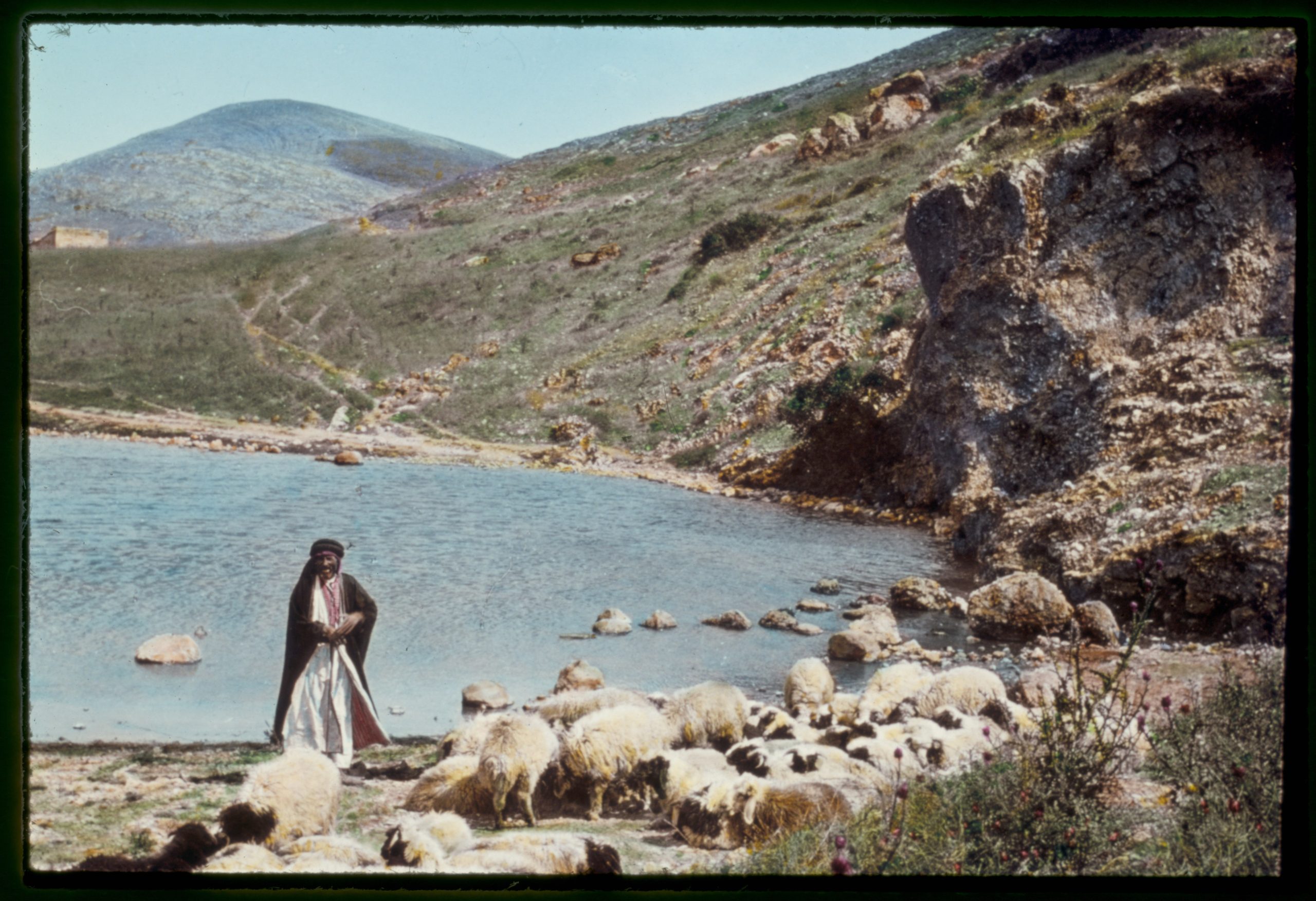
Tel Megiddo
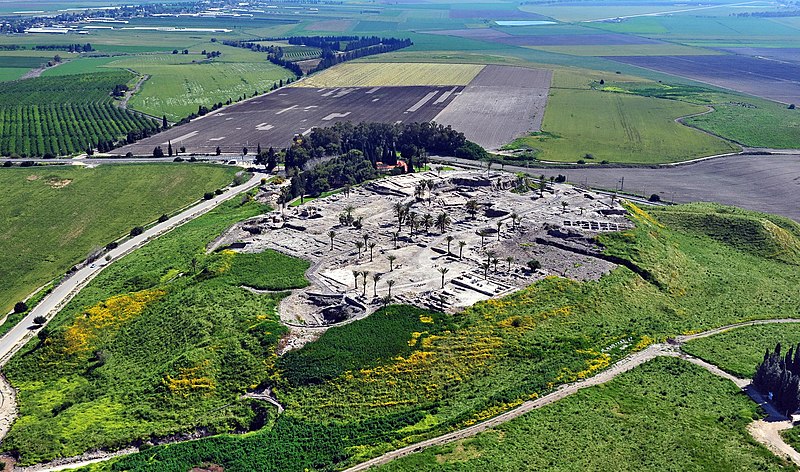
Megiddo is an ancient city located in northern Israel. It is one of the most important and well-known archaeological sites in the country. In the Bible, Megiddo was an important city and fortress, located at the crossroads of several major trade routes. It was a hub of political and military activity, and was the site of many battles throughout history. In the Old Testament, Megiddo is described as a city in the region of Canaan, and is mentioned as the site of several battles, including the Battle of Megiddo fought between Pharaoh Thutmose III and the forces of the Canaanite city-states. It is also mentioned as a place of refuge for King Solomon and as a location where King Josiah of Judah was killed in battle. In the New Testament, Megiddo is mentioned as a location where Jesus Christ passed through on his way to Jerusalem. Megiddo is also mentioned in the book of Revelation as the location of the battle of Armageddon in Revelation 16:16. More Information…